♪ The Man Who Was Proud Of It · Hear the song on the Music page →
RM · P03
The man who was proud of it
The father in this novel is not the innocent party. He found it first.
Victor Do Lago is dead on page one, and the reader spends the book learning what kind of man was being buried.
The brass plate on the building says LAGO HOLDINGS SA and beneath it, smaller, FUNDADA 1961. His father’s line. He never took it off, though the company that exists now has almost nothing to do with the shipping agency that existed then. Somebody polished the plate on the morning of the funeral.
He was proud of it. That is the first thing to understand about him and the last thing anybody says out loud.
He wrote Article 14 himself, the clause that hands the company to his daughter by blood and cannot be waived. He told her why, once. He said that companies die when the people running them stop being able to be blamed.
And in 2019 he found what his father’s money had bought.
He stopped it. He signed a termination instruction on his own authority, told nobody, and asked one question in pencil on the back of it — what is already held? — nine days late, and was answered honestly, and did nothing at all with the answer. He turned off the tap and left the reservoir.
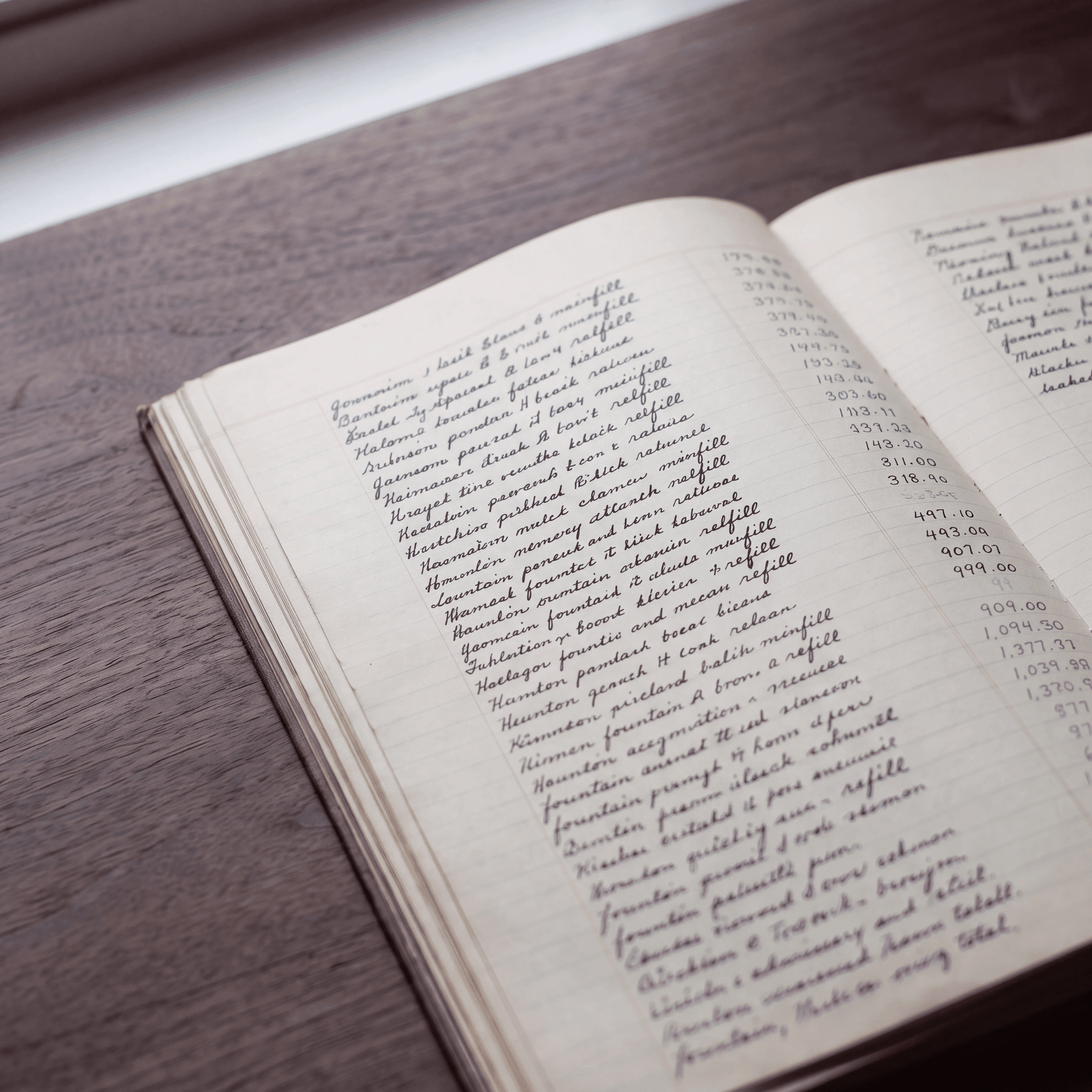
Then he sat down alone and copied his dead father’s second ledger out by hand, thirty pages of small upright capitals, checking and re-checking, carrying the totals down the margin in pencil. He stopped in the middle of a page in March.
He went to a notary and made an instrument to prevent one question ever being answered, as strong as the language of his country permits, and deliberately left the one gap through which his daughter could walk. If it has to be forced on her it is worth nothing.
He did not tell his brother. He did not tell his daughter. He went on asking her about her cases at Christmas.
A man who does nothing is easy to despise until the reader is shown exactly what doing something would have cost, and who it would have cost it to, and how little difference it would have made.
Isabel grieves him twice. Once as a father, and once when she understands that the record he left her is a confession.
Download one of our novels — free, in full, and the drawer is in it.